This is a subtitle for your new post
— Where Service Matters —
My coast has the most a walk through Portsmouth's maritime history
No stretch of England's coast has watched over more naval history than ours. Here's the story — told from the doorstep of a hotel that has been part of it since 1850.
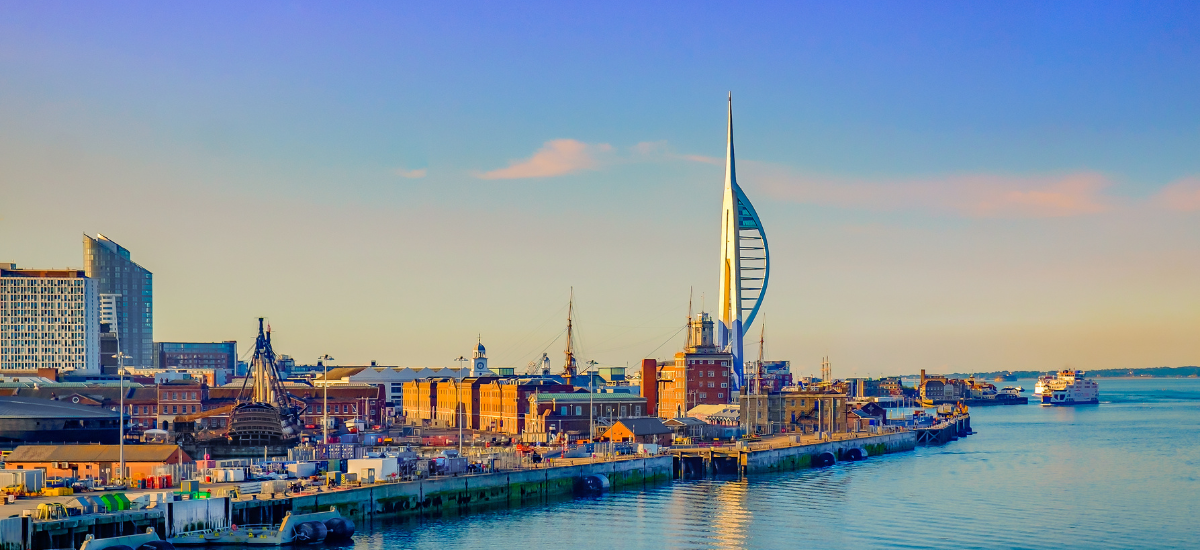
Some cities sit beside the sea. Portsmouth is built into it. The only island city in the United Kingdom, it has spent the better part of a thousand years sending ships out and welcoming sailors home — and that rhythm still runs through the place today. When VisitEngland asked the coast to show what it's proud of, we didn't have to look far. Most of it is on our doorstep.
The Royal Maritime Hotel opened in 1850 as a Sailors' Home — a safe, decent place for seafarers to stay between ships. A hundred and seventy-five years on, we're still in the same building on Queen Street, still looking after guests, and still close enough to the water to hear the dockyard. So consider this your invitation, and your itinerary.
Five stops, one walkable stretch
The walk.
HMS Victory
Nelson's flagship, still in commission
Begin where most people do: Portsmouth Historic Dockyard, a short walk from the hotel. HMS Victory is the oldest commissioned warship in the world, and the ship from which Admiral Lord Nelson commanded the fleet at the Battle of Trafalgar in 1805. Walk her decks and the history stops being a date in a book — you can stand on the very spot where the signal "England expects that every man will do his duty" was raised.
The Mary Rose
Henry VIII's warship, raised from the Solent
A few steps away is the Mary Rose, the pride of Henry VIII's navy, which sank in the Solent in 1545 and lay on the seabed for over four hundred years. Raised in 1982 in one of the most remarkable feats of maritime archaeology ever attempted, she and the thousands of objects recovered with her now tell the everyday story of Tudor life at sea inside her own purpose-built museum.
HMS Warrior
The ship that changed the navy
Completing the dockyard trio is HMS Warrior, launched in 1860 as Britain's first iron-hulled, armour-plated warship. In her day she was the largest, fastest and most powerful warship afloat — the moment the age of wood and sail gave way to iron and steam. Restored to her full glory, she's one of the most rewarding ships you'll ever step aboard.
The D-Day Story
Where the liberation of Europe set sail
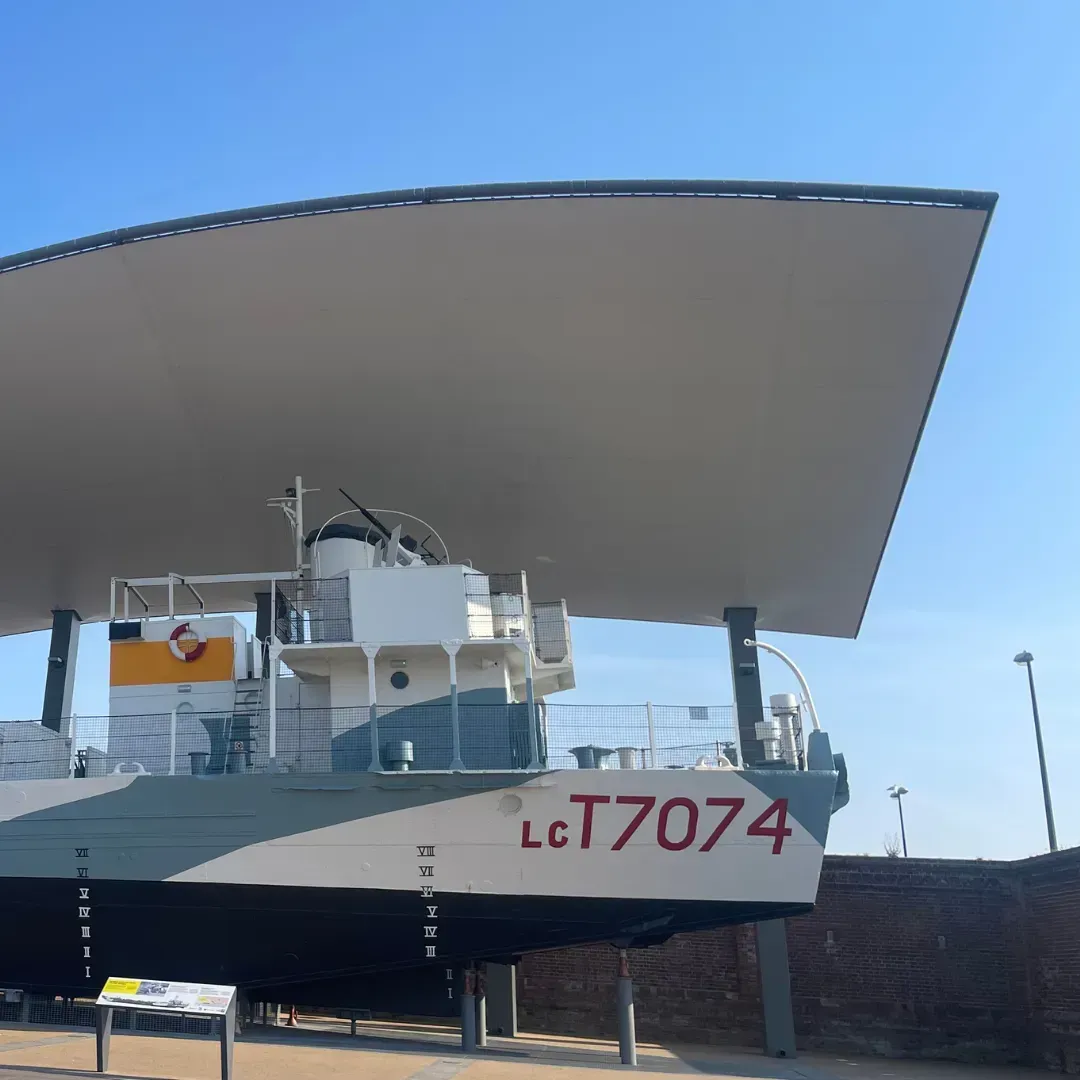
Head down to Southsea seafront and the history moves closer to living memory. Portsmouth was a principal embarkation point for the D-Day landings of June 1944, and The D-Day Story on Clarence Esplanade is the only UK museum dedicated solely to that day — home to the extraordinary Overlord Embroidery. It's a moving, human counterpoint to the grandeur of the great ships.
Southsea Castle
Built for a king, witness to a sinking
Just along the front stands Southsea Castle, built for Henry VIII in 1544 to guard the approach to Portsmouth Harbour. It was from these very walls, the following year, that the king is said to have watched his flagship the Mary Rose go down. Five hundred years of history, neatly bookended on one seafront.
Where it all comes home
A single, walkable stretch of history.
What makes Portsmouth's coast special isn't only the ships and the castles — it's that you can take in all of it in a single, walkable stretch, with the harbour, the Solent and the Isle of Wight always on the horizon. And when the day is done, there's a hotel that has been welcoming travellers to this exact spot since the age of sail.
Every stay at the Royal Maritime supports our charitable mission, helping serving and veteran members of HM Armed Forces, the Merchant Navy and veterans' charities. It's a small, quiet thread that ties the modern hotel back to the Sailors' Home it has always been. Because here, service matters — in both senses of the word.
Come and see what we're proud of.
— All on the Portsmouth coast —
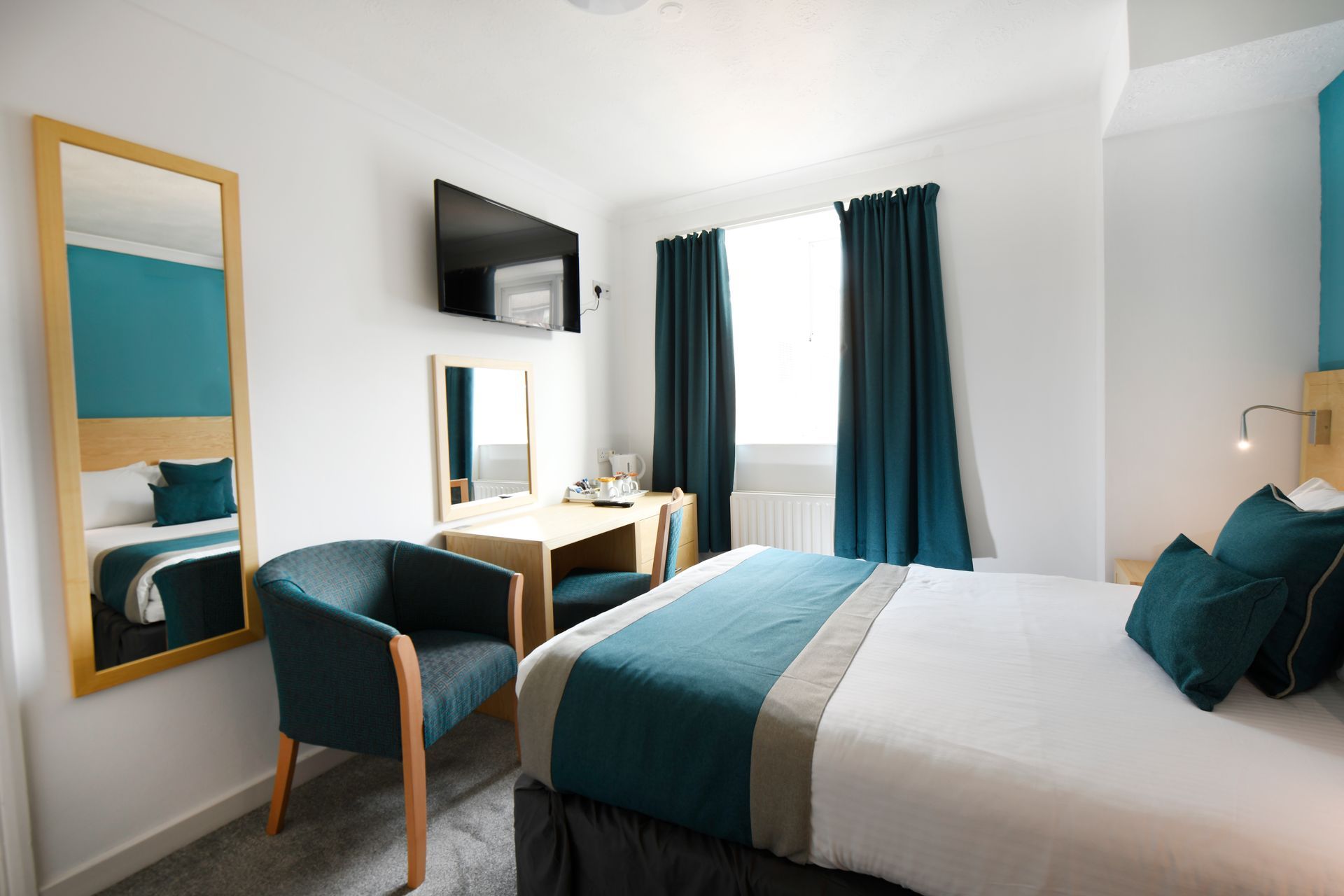
Make the Royal Maritime Hotel your base for the Historic Dockyard and the seafront.
You can find all of our upcoming events at The Royal Maritime Hotel on this page.